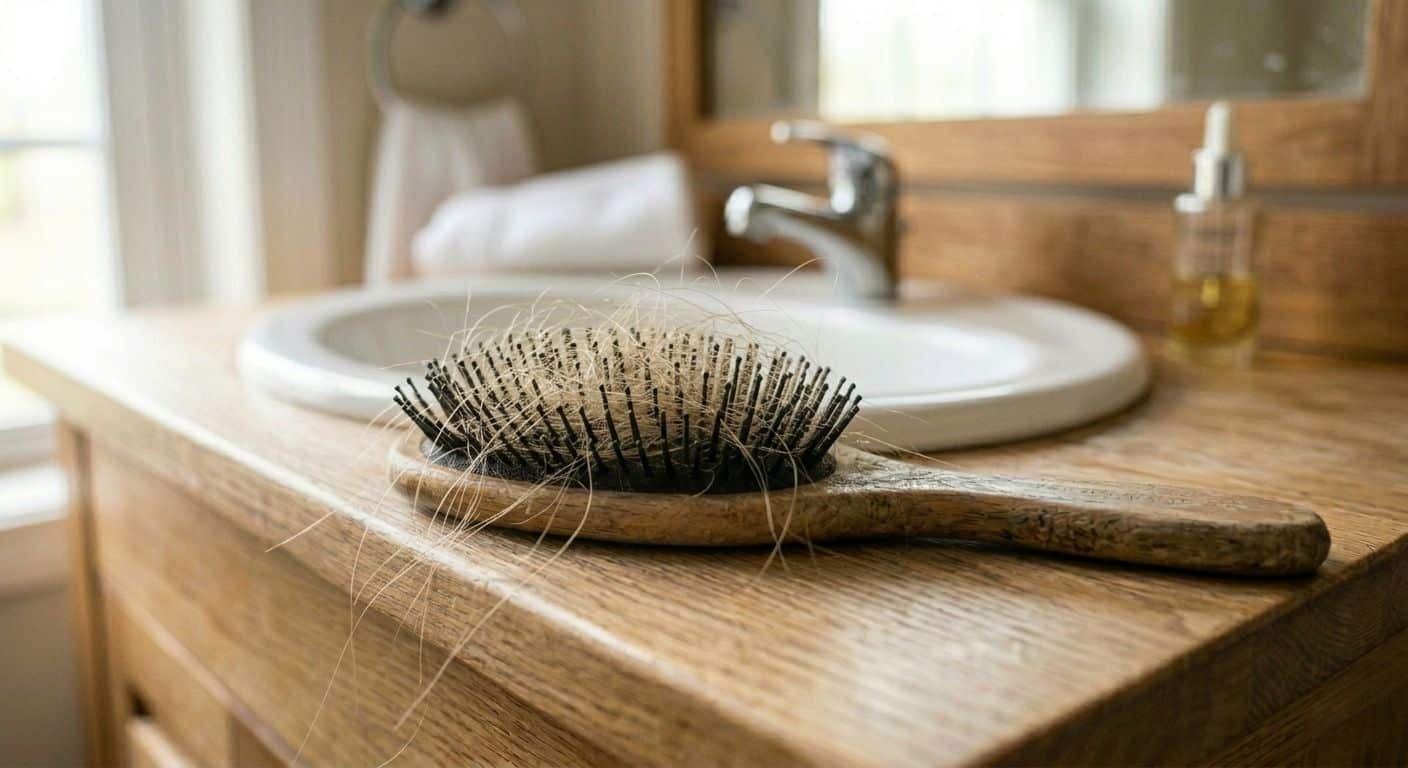
Hair loss in women can be a difficult experience, both physically and emotionally. When it becomes significant, unusual, or persistent, it may be related to alopecia. This term covers different forms of hair loss with varying causes and manifestations.
Stress, hormonal changes, illnesses, medical treatments, or genetic factors: several elements can contribute to the development of alopecia in women.
In this guide, we help you better understand alopecia: its symptoms, causes, different types, possible treatments, and aesthetic alternatives that can help restore comfort and confidence in daily life.
Alopecia refers to partial or total hair loss of the scalp or body hair. In women, it can appear gradually or suddenly and take different forms depending on its origin.
It is normal to lose a certain amount of hair every day. However, when hair loss becomes excessive, unusual, or long-lasting, it may require medical advice.
Contrary to common belief, alopecia does not only affect men. Many women can experience it at different stages of their lives.
Female hair loss can have a significant impact on self-image, confidence, and emotional well-being. Each experience is unique: some women notice diffuse thinning, while others experience more localized or patchy hair loss.
Several signs may be associated with alopecia in women.
Hair loss may become more noticeable during brushing, washing, or upon waking up. Some women also notice a gradual reduction in hair volume.
Some forms of alopecia cause reduced hair density, patches, or visibly thinning areas on the scalp.
In some cases, alopecia may be accompanied by discomfort such as:
These symptoms can have different causes and may require medical evaluation.
There are several types of female alopecia.
Female androgenetic alopecia is one of the most common forms of hair loss in women. It is often characterized by a progressive reduction in hair density, especially at the crown of the head.
Hormonal and genetic factors may be involved.
This form of alopecia can occur when hair is repeatedly subjected to tension from tight hairstyles such as braids, tight buns, extensions, or frequent ponytails.
Less common, scarring alopecia involves destruction of the hair follicle, which can lead to permanent hair loss. Medical care is generally required.
Alopecia areata is an inflammatory condition that causes patchy hair loss. Its progression varies from person to person.
This form of alopecia often appears as significant diffuse shedding after a physical or emotional event such as severe stress, childbirth, extreme fatigue, illness, or hormonal changes.
The causes of female alopecia can be multiple.
Hormonal changes can influence the hair growth cycle. Some women notice hair loss during or after:
Some forms of alopecia, such as androgenetic alopecia, can be influenced by genetic predisposition.
Physical or emotional stress can sometimes be associated with significant hair loss. However, each situation is different and requires a personalized approach.
Certain illnesses or medical treatments can contribute to temporary or long-term hair loss.
Chemotherapy for cancer treatment, for example, can cause varying degrees of hair loss depending on the treatment used.
An unbalanced diet or certain nutritional deficiencies can affect hair health.
Repeated use of harsh treatments, excessive heat, or very tight hairstyles can weaken hair and the scalp.
Management of alopecia depends on many factors, including the type, its cause, and each individual situation.
Some medical or dermatological solutions may be offered to support hair loss. These generally require a prior diagnosis by a healthcare professional.
It is essential to consult a doctor or dermatologist to obtain an appropriate diagnosis.
Depending on the case, treatment may include:
Since July 1, 2024, individuals meeting the required conditions may receive reimbursement from their mutual insurance for the purchase of a head covering. The non-profit organization ASBL Caring Hat Fund was a pioneer in getting all the necessary regulatory texts amended to allow for this reimbursement.
Hair loss in women can significantly affect emotional well-being and self-confidence.
Some women may experience:
Each journey is different, and support, listening, and guidance can be very valuable.
Talking with loved ones, joining support communities, or exchanging with other women going through similar experiences can sometimes help make this period easier to navigate.
Beyond medical aspects, some women also look for aesthetic solutions to regain comfort, softness, and confidence in daily life.
Wigs and hair prostheses can be a solution for some women. They are now available in different styles, materials, and levels of customization.
Scarves and turbans are also popular alternatives for their comfort and softness, especially when the scalp becomes more sensitive.
Some women look for a lighter, elegant, and comfortable everyday alternative.
The hats and caps offered by Caring Hat have been designed to support women affected by hair loss due to alopecia, medical treatment, or scalp sensitivity.
The models are designed with special attention to:
Each woman’s journey is different. The goal is above all to help each person find a solution in which they feel comfortable, confident, and at ease in daily life.
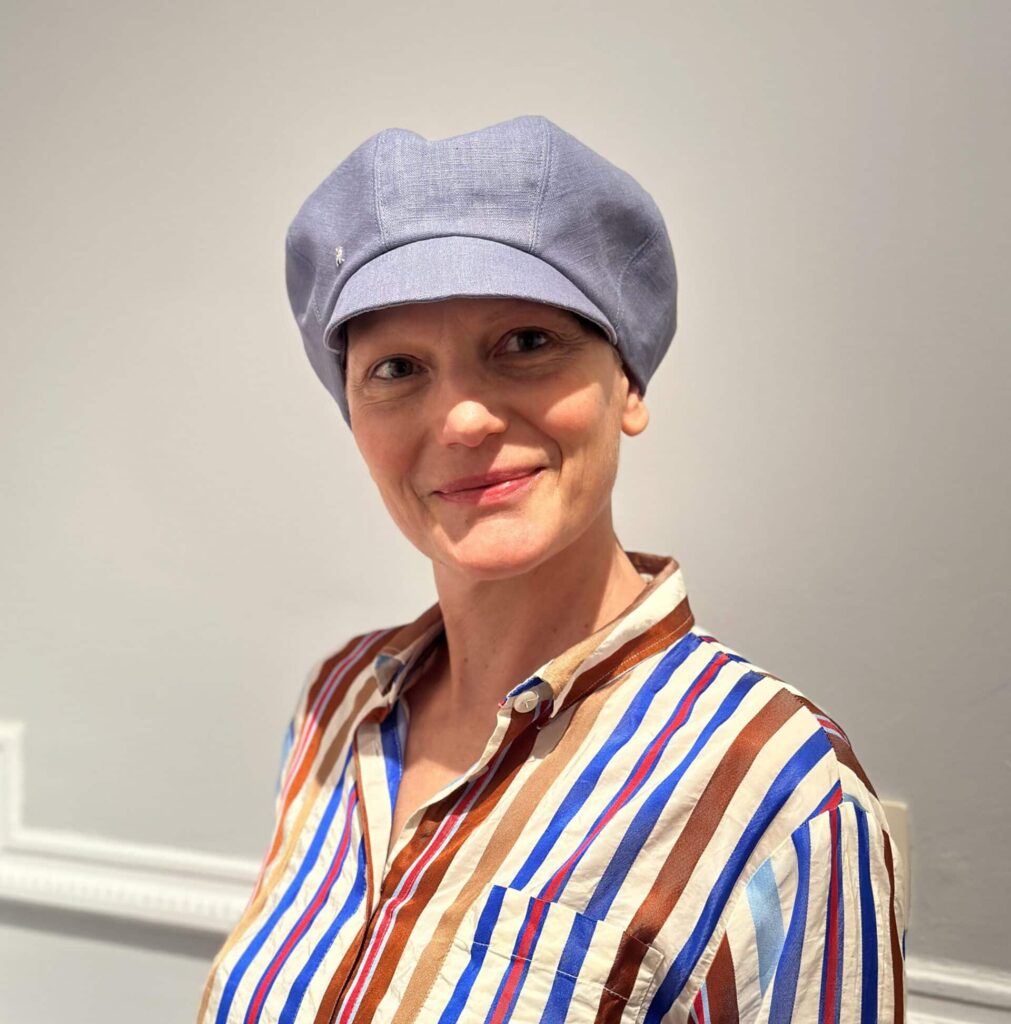
“The strength of the Caring Hat Fund lies in not hiding, but in staying true to yourself in the face of adversity — in bringing lightness to a situation that is so difficult to live through.
This cap, handmade with love and with ‘care at the heart of the process,’ helped me better accept the treatment. It gave me back my confidence — it was a true ‘surge of life.’”
Julie, a patient
Some habits can help improve comfort for the scalp and hair:
Living with alopecia can require time and adjustment.
Some women find support through:
There is no single way to live with alopecia. Each journey is personal.
At Caring Hat, we believe that beyond hair loss, every woman deserves to continue feeling like herself. This is why we aim to offer much more than a head covering: a moment of listening, softness, and care in a warm environment, away from the medical routine. Because regaining confidence sometimes comes from small gestures that make a big difference.
Hair loss is a natural and often temporary phenomenon, while alopecia refers to abnormal, long-lasting, and sometimes irreversible hair loss.
Stress can sometimes be associated with certain types of hair loss, especially telogen effluvium. A healthcare professional can help identify possible causes.
Some forms of alopecia may be temporary, while others evolve differently depending on the situation. A medical diagnosis is essential to understand each case.
It is advisable to consult a healthcare professional when hair loss becomes significant, unusual, sudden, or is accompanied by other symptoms.
Yes. Some women choose scarves, turbans, caps, hats, or other aesthetic alternatives depending on their needs and comfort. We offer a collection of elegant and adapted hats.
Would you like to discover the models, ask a question, or book an appointment ?
This article is provided for informational purposes only and does not replace medical advice. Specialists in alopecia are available throughout Belgium. In case of significant or unusual hair loss, it is recommended to consult a doctor or dermatologist to obtain an appropriate diagnosis.
Copyright ©2026 - Expans Digital